
Key takeaways
- Your stomach produces 40% less acid during fasting; reintroduce food over 3–4 hours, starting with broth and soft fruit before solids.
- Avoid coffee, raw vegetables, dairy, citrus, and large meals in the first 4 hours; cold drinks and sugary foods trigger cramping and blood sugar spikes.
- The length of your fast determines recovery time: 12-hour fasts need 30–60 minutes, 24–48-hour fasts need 3–4 hours, and 72+ hour fasts require an extra cautious day.
Breaking a fast incorrectly can lead to digestive upset, bloating, and cramping—symptoms that defeat the purpose of intermittent or extended fasting. Your digestive system undergoes measurable changes during a fast, and reintroducing food requires a deliberate progression.
During a 12-hour or longer fast, gastric acid secretion decreases by up to 40%, according to research in the American Journal of Gastroenterology. Pepsin levels drop similarly. The stomach lining also reduces mucus production, which normally protects against acid. This means your digestive system is in a downregulated state when you break the fast—literally unprepared for large meals or hard-to-digest foods.
The first food you consume matters more than most people realize. A high-fat meal, sugary drink, or large portion can trigger reactive hypoglycemia, gastric distension, rapid gastric emptying followed by cramping, and bloating from fermentation in the small intestine.
Why Your Digestive System Needs Time to Adapt
The stomach has three main jobs: storing food, mixing it with acid and pepsin, and releasing it slowly into the small intestine. During a fast longer than 12 hours, the stomach downregulates all three processes.
Stomach Acid Rebound
When you finally eat, your stomach must rapidly increase acid production. Eating something that triggers very high acid secretion—like citrus, coffee, or spicy food—can cause reflux or burning sensations. Bone broth and mild vegetable broths avoid this trap because they require minimal acid for digestion.
Enzyme Recovery
Amylase breaks down carbohydrates and lipase breaks down fats, both produced in the pancreas and small intestine. They do not shut down completely during fasting, but they work at lower capacity. A 48-hour fast reduces lipase activity by approximately 30%, which is why fatty foods are poorly tolerated immediately after breaking a fast. Protein is digested more easily than fat in this window because pepsin, though reduced, still functions effectively.
Gut Bacteria Response
Your microbiome composition does not change during a 24-hour fast, but bacterial activity shifts dramatically. Beneficial bacteria such as Bifidobacterium and Faecalibacterium slow down; opportunistic bacteria can temporarily dominate. Introducing easily fermentable foods like fruit or legumes right after a fast can cause rapid bacterial fermentation, leading to gas and bloating.
The First 30 Minutes: What to Consume
The ideal break-fast window—the first 30 minutes after a fast—should contain foods that require minimal stomach acid, trigger gentle enzyme activity, stabilize blood sugar, and rehydrate at the cellular level.
Bone Broth and Clear Broths
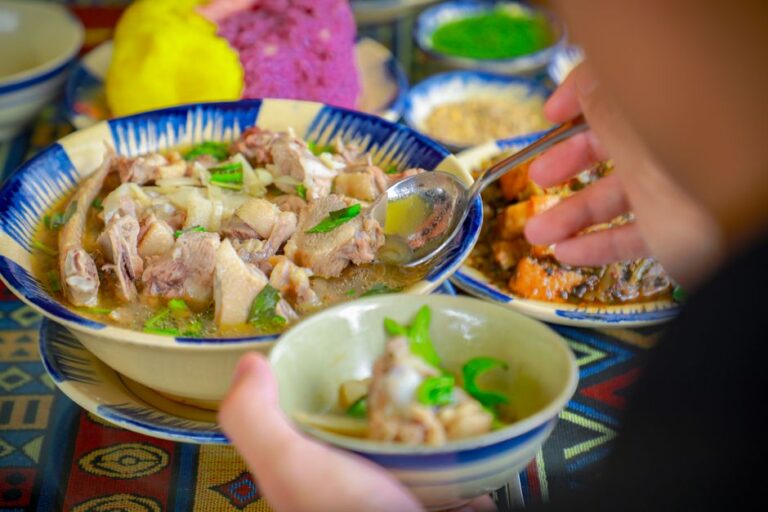
Bone broth, simmered for 12–24 hours, contains collagen, gelatin, and amino acids in their most digestible forms. One cup provides approximately 15–20g of easily absorbed protein and mineral electrolytes such as sodium, potassium, and magnesium without the fiber that would ferment. Brands like Kettle and Fire or Osso Good offer 8–12 oz servings with roughly 50–80 calories. Start with 4–8 oz, sipped slowly. Vegetable broth works similarly—start with low-sodium varieties to avoid sodium overload on an empty stomach.
Coconut Water
Coconut water provides fast-absorbing carbohydrates, approximately 9g per cup, and electrolytes that match your internal mineral balance better than sports drinks. It is gentler than fruit juice because it lacks concentrated fructose. Choose unsweetened varieties such as ZICO, Vita Coco, or One Coconut Water at around 45 calories per cup. Serve at room temperature—cold liquids can trigger digestive cramping on an empty stomach.
Lemon Water with Sea Salt
Plain warm water with a squeeze of fresh lemon and a pinch of sea salt is one of the safest options. The lemon stimulates weak digestive secretions without overwhelming the stomach, and the sea salt provides sodium and trace minerals. This option contains no calories and produces no blood sugar spike.
Minutes 30–90: Progressive Reintroduction
After tolerating the first 30 minutes without nausea or cramping, move to soft, easily digestible foods that add minimal bulk. Ripe avocado in portions of 1/4 to 1/2 provides potassium and monounsaturated fat in its most digestible form, requiring less lipase than other fats—one quarter contains about 60 calories and 3g net carbs. Overripe banana or papaya in small portions deliver 15–20g net carbs, are very soft, contain minimal fiber, and provide pectin which soothes the intestinal lining; avoid if you have fructose sensitivity. A soft-cooked egg provides 6g of protein and easily digestible leucine; cook until whites are fully set but the yolk remains slightly soft. Cultured foods such as 1/4 cup kombucha or plain kefir contain living bacteria that replace those disrupted during the fast, but introduce sparingly since too much fermented food can cause bloating.
90–180 Minutes: Introducing Solids
If the previous phase caused no upset, add a small amount of solid food to your meal. Plain sautéed white fish such as tilapia, cod, or haddock in portions of 2–3 oz require minimal stomach acid and lipase because they are lean with delicate muscle fibers. Pan-sear with a small amount of ghee, which is clarified butter and easier to digest than regular butter. Steamed white rice at 2 tablespoons cooked provides easily absorbed carbohydrates with minimal fiber; basmati is preferable to brown rice at this stage. Steamed zucchini or cucumber in small portions have minimal fiber, high water content, and low impact on blood sugar.
Stay under 150 calories total in this window. The goal is reaccustoming your digestive system, not satisfying hunger.
Foods to Avoid in the First 4 Hours
- High-fat dairy such as cheese, cream, and full-fat yogurt without culturing require sustained lipase activity
- Raw vegetables and salads have high insoluble fiber that ferments before complete digestion
- Whole grains, legumes, and seeds contain phytic acid and lectins that are harder to break down when digestive function is weak
- Citrus juice is highly acidic and triggers reflux when stomach lining is inflamed
- Caffeine on an empty stomach increases acid secretion without food to buffer it, causing reflux
- Sugar and honey create rapid blood sugar spikes followed by hypoglycemic crashes
- Spices and chili peppers contain capsaicin that irritates an acid-sensitized stomach lining
Duration Matters: 12-Hour vs. 48-Hour vs. 72-Hour Fasts
A 12-hour overnight fast, typical of 16:8 intermittent fasting, requires minimal precaution. You can move to regular meals within 30–60 minutes since most digestive capacity remains intact.
A 24–48 hour fast demands the full progression described above. Stomach acid and enzymes need 3–4 hours to fully recover. Rushing to a regular meal risks nausea and cramping.
A 72-hour fast or longer, often done for autophagy benefits, warrants an additional cautious day. Day 1 breaking the fast: broths, soft fruit, and eggs. Day 2: add fish, white rice, and cooked vegetables. Day 3: resume normal meals. Extended fasts also deplete mineral stores more severely, so electrolyte supplementation—sodium, potassium, and magnesium in a ratio of roughly 3:1:0.5—becomes critical.
Age and health status modify this timeline. People over 65 often have naturally lower stomach acid, a condition called achlorhydria that is common with age, requiring even gentler reintroduction. Those with a history of gastric surgery, IBS, or Crohn’s disease should avoid raw vegetables and high-fiber foods for a full week after breaking a fast.
The Biggest Mistakes That Cause Digestive Upset
Mistake 1: Breaking a fast with a large meal. The stomach cannot process volume and intensity simultaneously. A 500-calorie salad feels like a small meal visually but overwhelms a fasted digestive system.
Mistake 2: Coffee before food. Caffeine alone increases gastric acid 30–40% without food to buffer it. Always eat something first.
Mistake 3: Drinking ice-cold water or juice. Cold triggers gastric cramping. Room temperature or warm liquids are gentler.
Mistake 4: Ignoring individual tolerance. Some people tolerate fruit immediately; others need 4 hours of broths first. Listen to hunger cues and digestive comfort, not a set protocol.
Mistake 5: Assuming all fasts are equal. A 12-hour fast and a 48-hour fast are nutritionally different. Treat them differently.
Frequently Asked Questions
Can I eat a regular meal right after breaking a 24-hour fast?
No. After a 24-hour fast, your stomach acid and digestive enzymes are reduced by 30–40%. Eating a large meal immediately causes bloating, cramping, and potential reflux. Instead, start with 4–8 oz of bone broth, wait 30 minutes, then add soft fruit or eggs, and avoid a regular meal for 3–4 hours.
Is it safe to drink coffee while breaking a fast?
Drinking coffee before food increases stomach acid 30–40% without anything to buffer it, causing reflux and discomfort. Always eat something first—even just a soft-cooked egg or small amount of bone broth—before your morning coffee.
Why do I get bloated if I eat vegetables right after a fast?
Raw vegetables are high in insoluble fiber that your gut bacteria ferment before full digestion. During a fast, beneficial bacteria slow down, so they ferment vegetables too quickly, causing gas. Wait at least 90 minutes and cook vegetables soft to reduce fermentation.
